
Cyndi Ramsey gave the Opening Ritual, followed by the Pledge of Allegiance, the American's Creed, Salute to the Flag and Preamble to the U.S. Constitution.
Linda Gist Calvin is retiring from the National office. Her President General's message emphasized the covered bridges in America. By 1870, 10,000 covered bridges existed in the United States. By 2010, only 750 covered bridges remain standing. Super highways have replaced the need for covered bridges.

Freedom was a dream for the 32,000 American imprisoned by the British during the American Revolution. They were held in converted buildings or aboard ships. As many as 18,000 died in prison-- more than perished on the battlefield.
For the National Defense report, Regent Martha Query mentioned the cost -- $510 billion -- of counting the number of people in America during the recent U.S. Census 2010. In contrast, the first national budget was about a million dollars.
The Regent also read the minutes of the May meeting, which were approved.
Members agreed that three people should be in charge of the treasury until a permanent treasurer can be found. Agreeing to look after the chapter's treasury were Regent Query, Secretary Lois Shults and Jana Lisa Hicks.
Danny Taylor delivered bad news of the death of Don Peters, husband of member Anna Sue Peters. They also remembered Ann Forsyth, who is still residing in a nursing home.
Taylor also reported about the unveiling of markers for Hugh Harris and Jacob Brown. She also spoke of her participation in the ceremony at Green Hill Cemetery in Elizabethton. She presented Good Citizenship awards to three high school students and presented a bill for $30 for the plaques. The bill was paid by Regent Query.
Members discussed the menu for the dinner set for Sept. 25 to feed the Overmountain Men. Different members agreed to provide particular foods in cooperation with the membership of the John Carter Chapter of DAR. Pat Burleson and Jana Lisa Hicks are in charge of plans for the dinner.
Joy Reeser presented a wonderful program about "America the Beautiful," showing photographs of Doe River Gorge in Hampton and Blue Hole on Stoney Creek as well as Watauga Lake and Elk River Falls. She also spotlighted two dozen other breathtaking photos of natural beauty in the area.
She also stressed the attitude of the American people at their best. With recent flooding in Nashville as well as Arkansas as well as the trouble in Louisiana and the Gulf, Americans have been there to support others. Individually, Americans volunteer to help, and the nation also offers organizations such as Federal Emergency Management Agency, the Red Cross and the Social Security System.
Private organizations, such as Samaritan's Purse, St. Jude Children's Hospital in Memphis and the nation's various Shriners hospitals for children also lend a hand. So do various religious denominations, which conduct outreach programs, food banks and free health clinics.
Members reflected on the fact that America is physically beautiful and also caring toward helping people in need while also respecting the rights of all citizens. These rights, outlined in the U.S. Constitution, include speaking freely about any opinion without fear of persecution. Americans can practice any religion or choose not to practice, both without fear of recrimination. Americans can choose to receive the kind of education they want. All of this is possible because Americans live in a land of the free that is protected by a volunteer armed forces defending Americans at home and abroad, and doing so proudly.
In appreciation, America has set aside many days to show honor and respect: Memorial Day, Flag Day, Independence Day, Columbus Day and Thanksgiving. Other holidays, such as Christmas and Easter, also afford time to honor and respect the sacrifices of the armed forces.
America is known as the greatest country on Earth, and it earns that name by being compassionate toward all peoples of the Earth, encouraging each person to become all he or she can become.

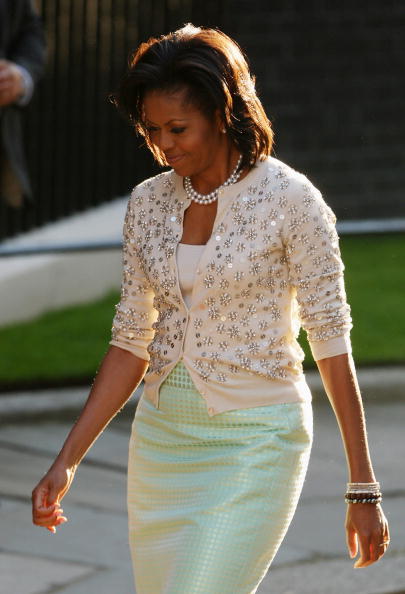





 America has always had changing trends, and fashion trends have always come and go. If you want to be in, you have to read this article. If there is one word that could capture all the latest fashion trends in America, then it has to be “dresses”. Dresses are the hottest thing in 2008, such as kimono sleeves dresses,

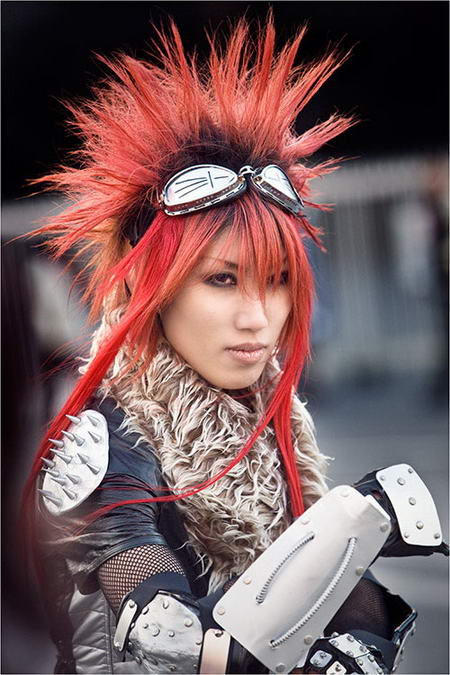 Since the 1980s, Tokyo has been the focal point of almost every new fashion and cultural trend to develop in Japan. As the world’s largest city, Tokyo’s dozens of unique districts and neighborhoods have been home to some of the most unique new forms of creativity and expression ever seen in the fashion industry.
 When most people think of outlandish Japanese fashion, it is the Gyaru trends they are envisioning. Literally meaning “gal” in Japanese, Gyaru refers to the legions of young teenage (and early 20s) girls who take to the streets of Omotesando and Aoyama wearing incredibly expressive fashions.
 Yamanba is another popular derivative of Gyaru style that involves wearing excessive makeup, stickers of cartoon characters and a large amount of fake jewelry and brightly colored clothing. Ganguro makeup is often applied and hair extensions are often added.
 This popular Tokyo fashion trend refers to a way in which many young Japanese males dress, combining “ame-kaji” or American Casual with “ita-kaji” or Italian Casual with a Japanese sense of rock and glam. Usually men who follow this fashion trend are interested in acquiring the newest and most fashionable label products and are very much into accessories such as belts, watches, sunglasses, and pouches from those brands. A popular hair style for Onii-kei style men is the “Wolf Hair” style which is essentially a loose, shaggy hair cut with gelled, teased ends.
 Onee-kei is the female origin of this style, which originally appeared in the mid-1990s when women in Shibuya started growing out of the Gyaru styles they were wearing and started wearing more adult looking body dresses and clothing. Today, Onii-kei can involve everything from a more military style appearance in the Ame-kaji tradition to a more European, suited appearance in the Ita-kaji tradition.
 The Lolita style started in the 1970s with the advent of brands like Angelic Pretty in Tokyo and has grown exponentially in the 1990s and 2000s with the development of publications such as the Gothic-Lolita Bible which showcases numerous new Lolita styles and trends that quickly spread throughout Japan (and now North America and Europe with recent translations).
 Variations to the inspiration for the style have included things like special backpacks and the inclusion of slightly less innocent imagery, and a more gothic bend to the style. Recent designers like h.Naoto have taken the trend in the complete opposite direction, nearly completely abandoning the cuteness of the Lolita in favor of the grit in the Gothic, though most clothing bought and worn in Tokyo streets tends to be a mixture of the two.
 Made famous by fashion magazines like Fruits (and often called Fruits-style as a result) Decora is short for “Decoration”, a Tokyo street fashion that involves wearing as much colorful clothing and as many colorful accessories as possible. The clothing itself will often be overshadowed by the sheer weight and volume of the accessories including everything from plastic toys and jewelry to feather boas, wings, thick boots, and extra pairs of socks.


